Finance Transformation
Manufacturers are facing disruption on multiple fronts. Industry 4.0 – the wave of smart automation – is changing how factories operate.
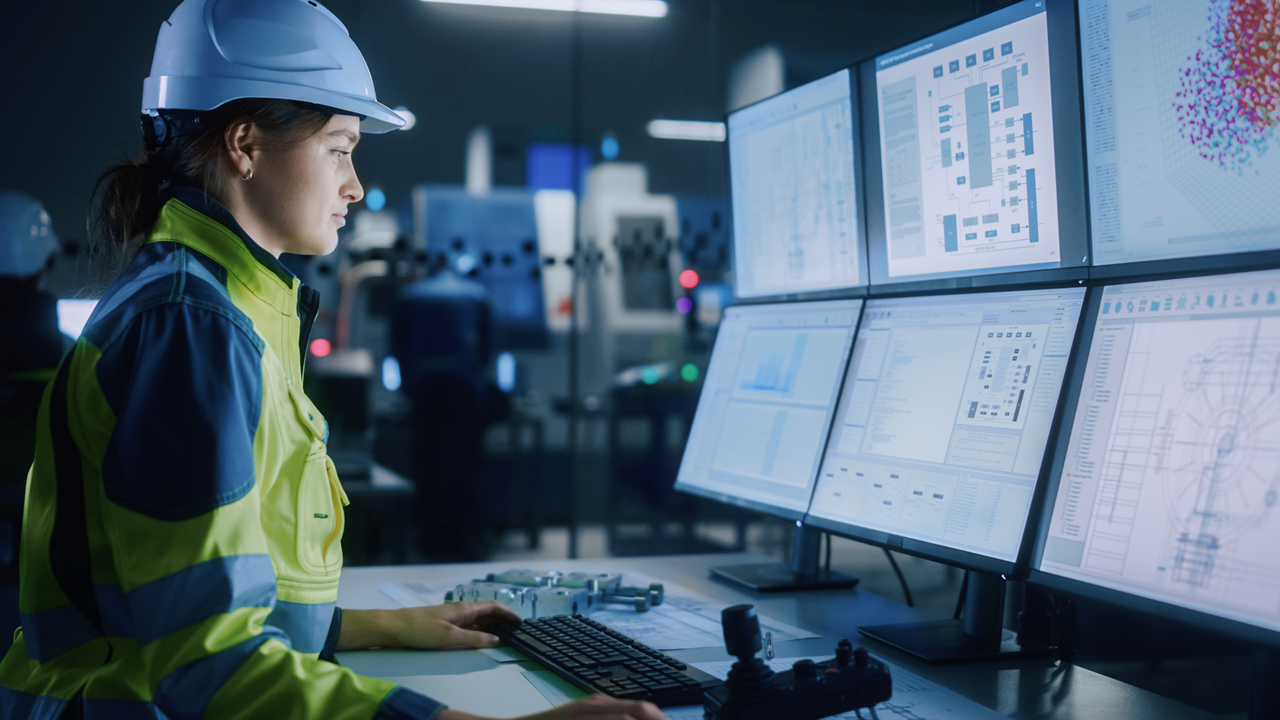
Robotics, AI, and digital twins (virtual simulations of physical processes) enable higher productivity, mass customization, and reduced downtime.
Companies like Siemens and GE have invested in AI-driven industrial analytics to optimise everything from supply chain logistics to equipment performance. At the same time, industrial sectors are among the most carbon-intensive and thus are under pressure to decarbonize.
Heavy industry and manufacturing are identified as highly vulnerable to net-zero transition policies – as carbon prices rise or emissions regulations tighten, these sectors could face higher costs and have to overhaul processes.
In Australia, heavy industries such as mining and resource extraction are central to the economy and are feeling this acutely. Mining companies are adopting autonomous haul trucks and AI monitoring to improve safety and efficiency in operations (e.g. in the Pilbara mines), and they are also investing in electrification of equipment to cut emissions.
The upside of digital transformation here is substantial efficiency gains: McKinsey research has shown that digital factories can reduce maintenance costs by 10-20% and increase output significantly.
The challenge is doing so while also cutting the carbon footprint – which often means switching to renewable energy sources for power, using AI to optimize energy use, and innovating new low-carbon production methods.
Key risk: those manufacturers that fail to adapt could lose out as customers and supply chains favor greener, tech-enabled partners
 Artificial Intelligence for Life