Finance & Operational Transformation
The Supply Chain is undergoing a radical shift driven by both technology and climate imperatives.
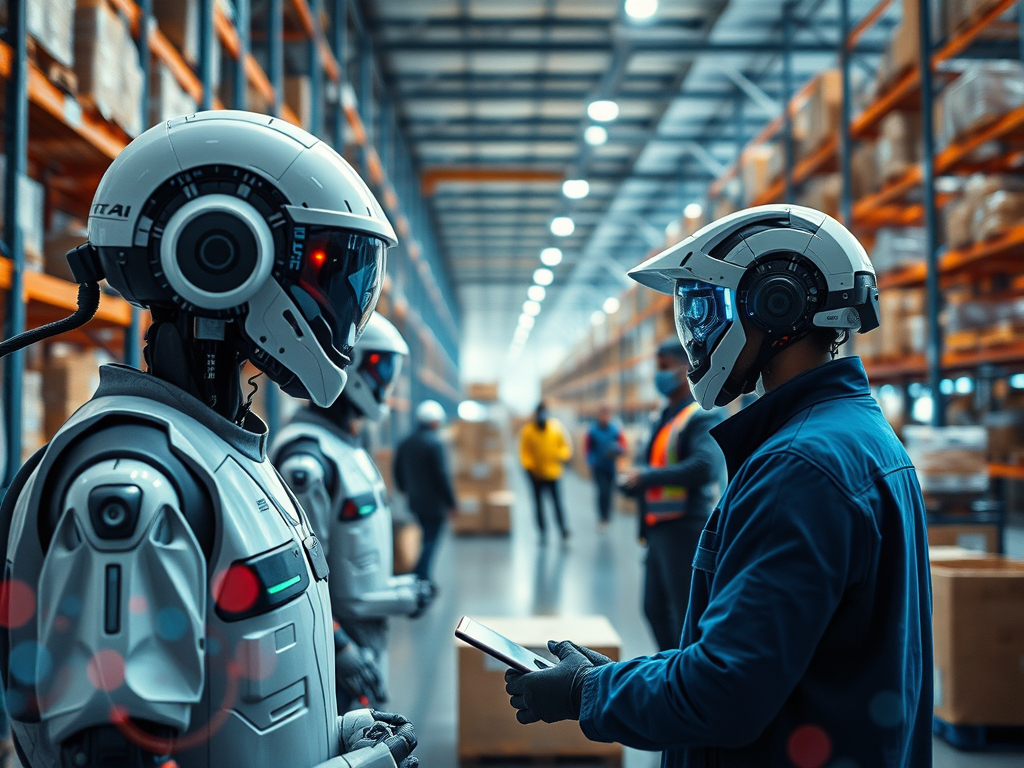
On one hand, we have the rise of automation and AI in transport – think self-driving vehicles, AI-optimised fleet management, and smart logistics hubs. These can drastically reduce costs and improve safety/efficiency in operations.
On the other hand, transport is a major contributor to greenhouse gas emissions (~15% of global CO₂), so there is global pressure to electrify and decarbonize mobility. The automotive industry is pivoting to electric vehicles (EVs) en masse – a huge operational shift requiring new manufacturing processes, battery supply chains, and even new business models (ride sharing, Mobility-as-a-Service).
AI plays a role here too: from improving EV battery management to optimising traffic flows in cities to reduce congestion (and emissions). In freight and shipping, climate change poses physical risks (e.g. more intense storms affecting shipping routes, or extreme heat affecting rail lines) and regulatory risks (like new maritime fuel standards).
Logistics firms are using AI to increase route efficiency – for example, UPS famously saved millions of gallons of fuel by using algorithmic route optimization (largely avoiding left turns!). Future shocks are a concern: the supply chain disruptions of recent years revealed that transportation networks must be more resilient, so companies are diversifying sourcing and warehousing and using digital twins to simulate disruptions.
Australia, due to its geographic remoteness, has long supply chains, so its logistics sector is investing in technology to improve reliability (drones for remote deliveries, IoT tracking across vast distances, etc.).
The net effect on this sector is significant upheaval – legacy automakers and airlines that don’t adapt to cleaner tech will be regulated or priced out, and logistics providers that fail to digitalize may lose out to more agile tech-driven entrants (or to major retailers building their own AI-powered delivery capabilities, as Amazon has done).
 Artificial Intelligence for Life